

Joining PNWA connects you to a vital community of writers. Our mission is to develop writing talent from pen to publication through education, events, accessibility to the publishing industry and great member benefits
If you’re a writer, every time you sit down to work you choose – whether you acknowledge it or not – to face the unknown. That’s the only place you’ll find your story.
I never want to be late, or rude, or bored, or angry, or tired, or scared, or depressed, but I do love to tell stories.
Only you know the ending to your story, and only you know who you love and what you love – and love, of course, the is most creative force in the universe.
Ever since I could talk, I have enjoyed telling stories to friends and family and acquaintances. Yes, I’m a bit of a performer, who doesn’t mind the spotlight – but mostly I enjoy what is shared in the telling of a story.
If you’re like me, you love getting into the Flow. There’s nothing better, really, and the truth is that the fact that that’s when you write your best stuff is just gravy.
It’s an inside-out world we live in. I know it doesn’t seem that way most of the time. Well, maybe it does when you’re writing.
If I’m smart, when I start a book, I don’t talk to anyone about it except my wife and my agent, and even then I don’t tell my agent anything about the book except that I’m writing it.
You know how it is when you’re in the zone. It doesn’t matter how long you’re in it, you know when you are, and it doesn’t get any better than that. It feels great, whether you’re writing or talking to a friend or dreaming of a new idea. You’re not worried about the future or mulling over the past, you’re just interested in what’s coming next.
The moment I began to see my work as service, as sharing what I value most with other people, I was moving with direction.
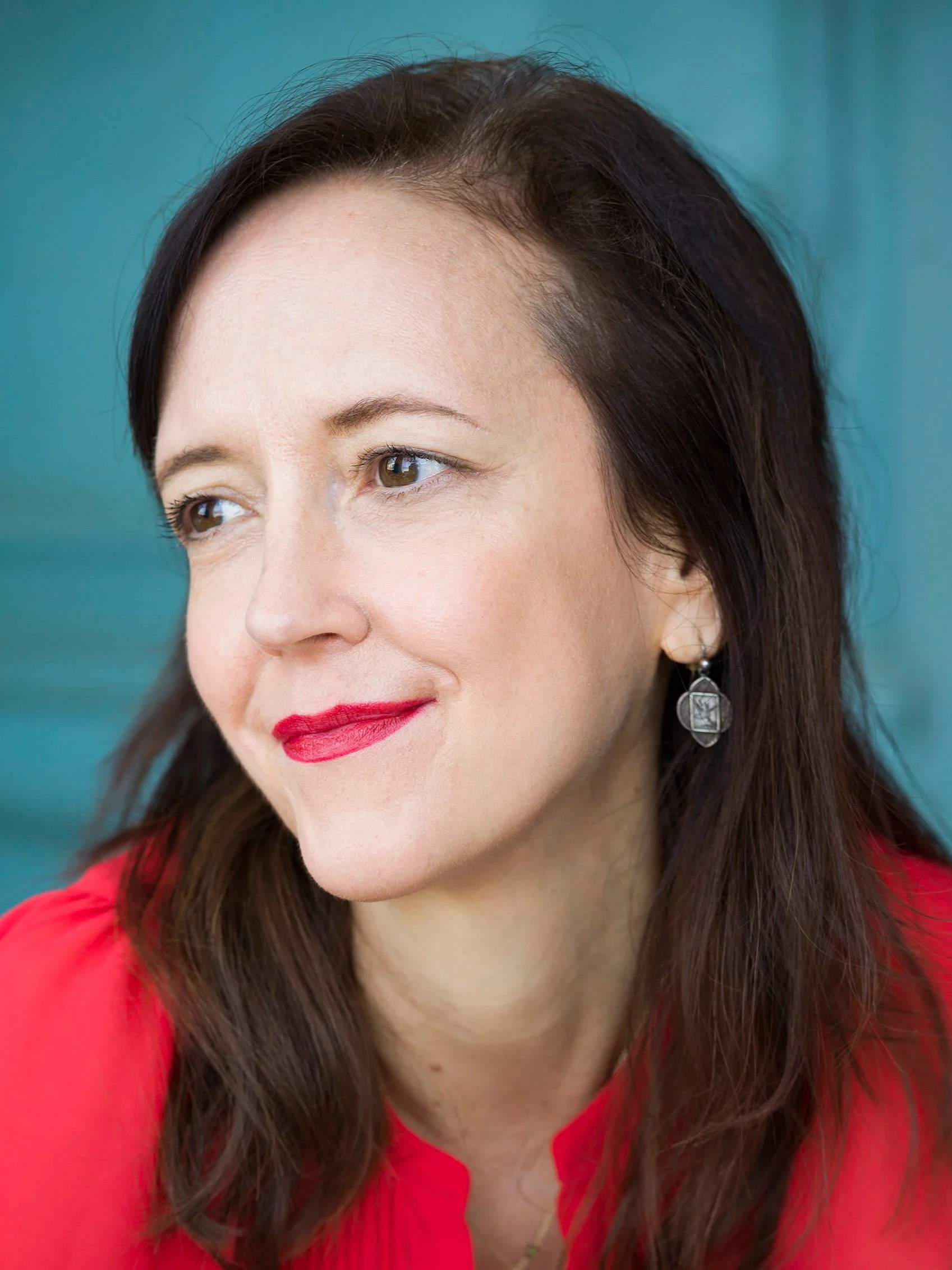
Megan Abbott is the Edgar-winning author of the novels Beware the Woman, The Turnout, Give Me Your Hand, You Will Know Me, The Fever, Dare Me, The End of Everything, Bury Me Deep, Queenpin, The Song Is You and Die a Little. Her most recent is El Dorado Drive.
Her writing has appeared in the New York Times, Salon, the Guardian, Wall Street Journal, the Los Angeles Times Magazine, and The Believer. Her stories have appeared in multiple collections, including the Best American Mystery Stories of 2014 and 2016.
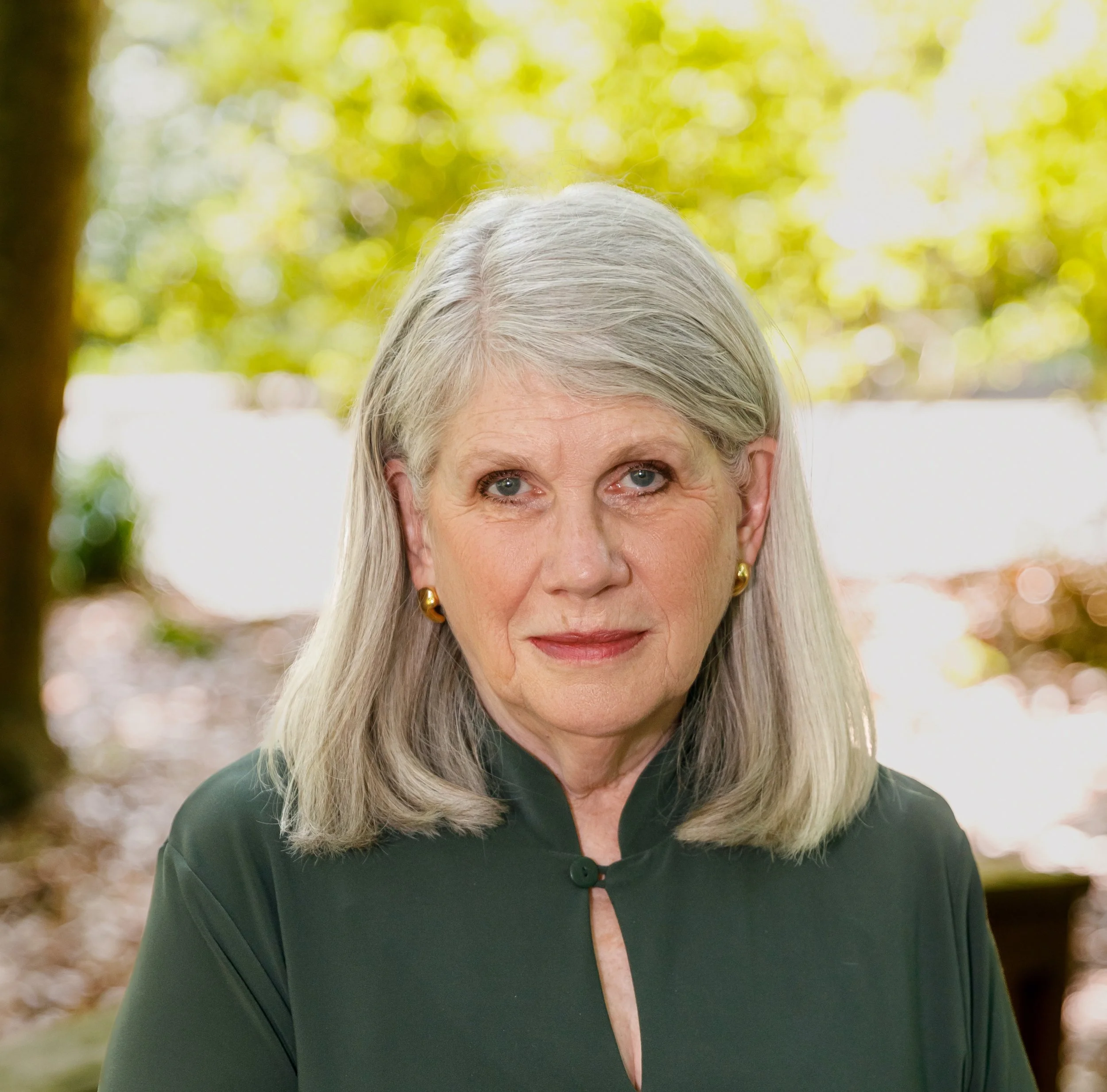
NELL JOSLIN is a native of Raleigh, North Carolina and received her MFA from North Carolina State University. Besides a fiction writer, she has been a public school teacher, medical librarian, copy editor, freelance journalist, stay-at-home mom, and attorney (although not all at the same time). She currently lives in Raleigh. Find her online at measureofdevotion.com
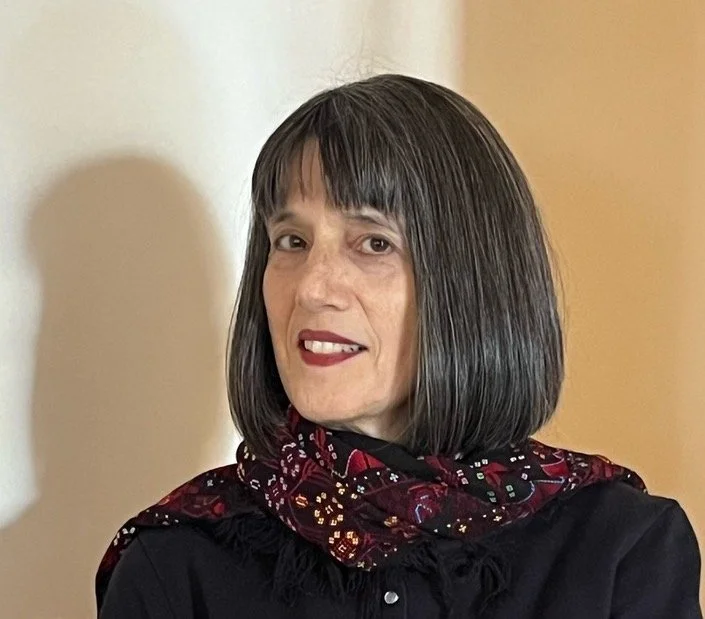
Nancy Kricorian, who was born and raised in the Armenian community of Watertown, Massachusetts, is the author of four novels about post- genocide Armenian diaspora experience, including Zabelle, which was translated into seven languages, was adapted as a play, and has been continuously in print since 1998. Her essays and poems have appeared in The Los Angeles Review of Books Quarterly, Guernica, Parnassus, Minnesota Review, The Mississippi Review, and other journals.
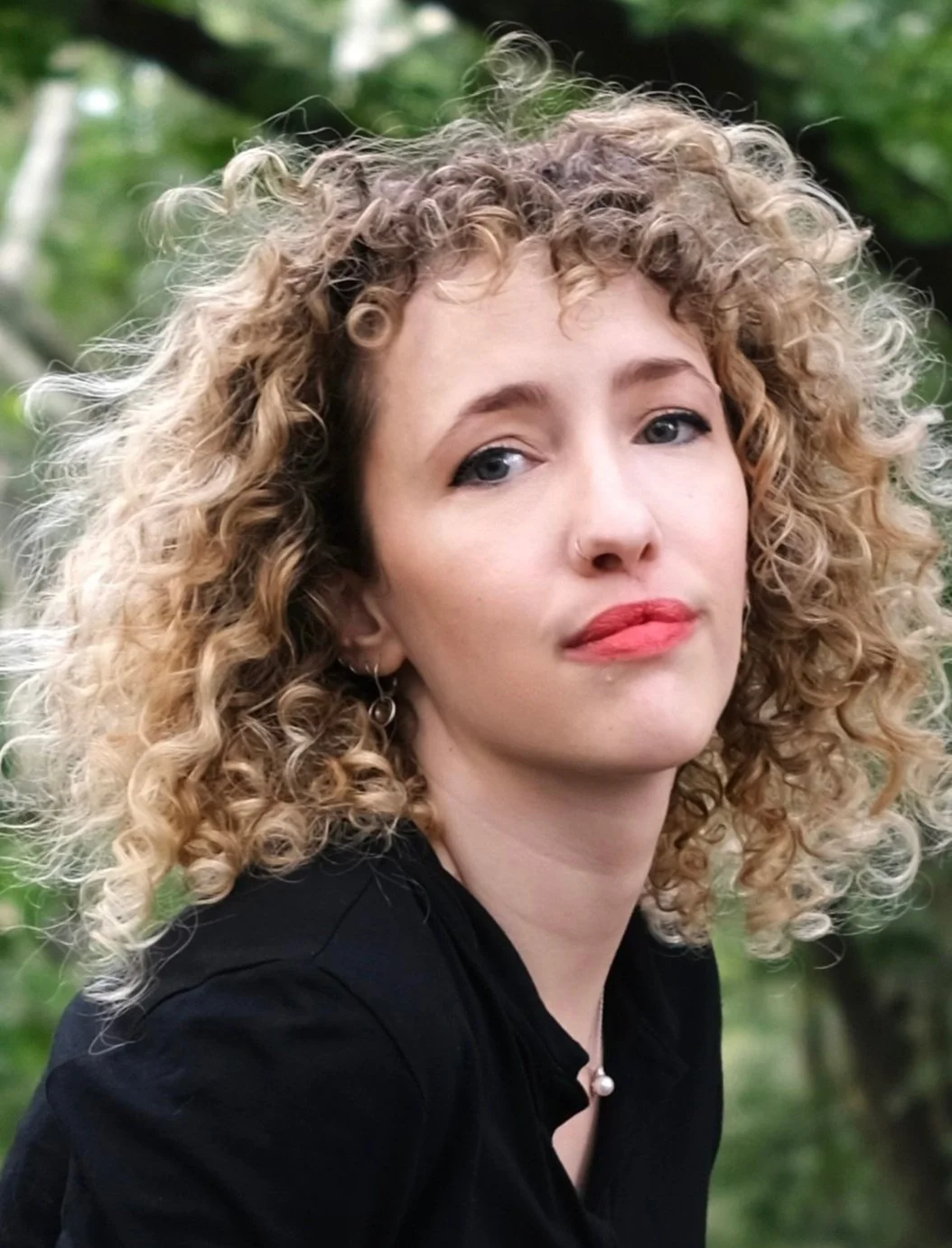
Elizabeth Rose Quinn is a novelist and screenwriter. She graduated with a BA in English from UC Berkeley and a master’s degree in marriage and family therapy. Born and raised in Berkeley, California, Elizabeth lived in Los Angeles for fifteen years while working in production and writing for television. She is married with two children and currently lives in New Mexico. In addition to traveling and exploring nature with her family, Elizabeth loves rolling fresh pasta, swimming in the Pacific Ocean, and looking for rainbows in the desert sunsets.
Acclaimed as the Oliver Sacks of fiction and the Michael Crichton of brain science, Lisa Genova is the New York Times bestselling author of More or Less Maddy, Still Alice, Left Neglected, Love Anthony, Inside the O’Briens, and Remember: The Science of Memory and the Art of Forgetting. Still Alice was adapted into an Oscar–winning film starring Julianne Moore, Alec Baldwin, and Kristen Stewart. Lisa graduated valedictorian from Bates College with a degree in biopsychology and holds a PhD in neuroscience from Harvard University. She is featured in the documentary films To Not Fade Away and Have You Heard About Greg. Her TED talks on Alzheimer’s disease and memory have been viewed over eleven million times. Her latest novel is More or Less Maddy.
Jessica Soffer is the author of This Is a Love Story and Tomorrow There Will Be Apricots. She grew up in New York City, attended Connecticut College, and earned her MFA at Hunter College. Her work has appeared in Granta, The New York Times, Real Simple, Saveur, The Wall Street Journal, Vogue, and on NPR’s Selected Shorts. She teaches creative writing to small groups and in the corporate space and lives in Sag Harbor, New York, with her husband, young daughter, and dog.
Nancy Slonim Aronie has been a commentator for National Public Radio’s All Things Considered. She was a Visiting Writer at Trinity College in Hartford, CT, wrote a monthly column in McCall’s magazine and was the recipient of the Eye of The Beholder Artist in Residence award at the Isabella Stewart Gardner Museum in Boston. Nancy won teacher of the year award for all three years she taught at Harvard University for Robert Coles.
LILLY DANCYGER is the author of First Love: Essays on Friendship (2024), which Leslie Jamison called "fiercely felt and finely etched;" and the memoir Negative Space (2021), which was selected by Carmen Maria Machado as a winner of the Santa Fe Writers Project Literary Awards; and the editor of Burn It Down (2019), a critically acclaimed anthology of essays on women's anger.
Sebastian Smee is an art critic for the Washington Post and the author of "Paris in Ruins: Love, War and the Birth of Impressionism" (Norton) and “The Art of Rivalry: Four Friendships, Betrayals, and Breakthroughs in Modern Art” (Random House), which was translated into a dozen languages. He won the Pulitzer Prize for Criticism while at the Boston Globe in 2011, after being runner up in 2008.
David Rocklin is the author of The Luminist and Foreward LGBTQIA award-winning The Night Language. He also wrote The Write Formula: Twelve Weeks From Concept To Completion, a craft book which accompanies his editorial and book coaching services. He hosts and curates “Roar Shack,” a long-running Los Angeles reading series, and has established a writers’ retreat based in Idyllwild, CA. The Electric Love Song of Fleischl Berger is his latest novel.
As I wrapped up my first manuscript back in 2011, I didn’t really know what I wanted to do afterward, besides start shopping it for publication. From a young age, I’ve always wanted to finish what I start before I move onto anything else. People have even poked fun at my strategic way of eating each part of a meal one-by-one, with a swig of my drink in between. When it came to my writing pursuits, however, I realized that kind of approach could hamper my progress. As much as I wished I’d find a publisher right away, I knew that wasn’t likely, so I could spend years twiddling my thumbs until it happened. And what if I never received an acceptance letter? Would I give up on my dream just because my first attempt never took off?
Secondary characters are the ones that crop up repeatedly in a narrative and actually influence the course of the story. Unlike with tertiary characters, who only appear in one or two scenes for a very specific purpose, you should know almost as much about your secondary characters as your main character — even if you don’t share it all with your readers. (That said, if your secondary character gains traction, you might get the chance to tell their full story in a spin-off.)
About six months ago, I began a new daily writing practice. It’s deliriously simple, and it has fundamentally changed the way I think about writing as an act. It has also transformed my actual writing.
The practice is this: each day, I brainstorm one new fiction or creative nonfiction concept.
Like I said, it’s deliriously simple. Its simplicity is, I believe, key to its success. Its results have been profound.
I never aspired to write books. Real writers wrote books. I was a screenwriter. I wrote scenes and dialogue. I didn’t want to wrestle with paragraphs and chapters. Leave that for the New York literati, I thought.
Serendipity led me to serve as a judge for a state-wide writing contest. A friend had spoken of volunteering to do that kind of work, and we talked about giving back to the writing community. A month later, in a different city, I heard about a contest looking for volunteer judges. I applied and was accepted; I hoped I was ready.
Psst! Any Victoria’s Secret model can testify that less is more. Less clothing; more ogling. Less caloric intake; more ogling. Less talk (only strut); more ogling.
It’s good not to take oneself too seriously. I know this, but sometimes my thoughts and ruminations don’t show that I apply this mantra.
The other day an editor of an e-newsletter rejected an essay I’d sent her by telling me that the piece “sort of irritates” her, and that if it irritated her, it would irritate her readers. She asserted I was “shooting at other people” while “patting myself on the back.” Of course, I hadn’t viewed my article like that! I became peeved at what I thought was harsh, unfair, and mean-spirited commentary. “Why not just say the usual? ‘This isn’t for us. No thank you.’?”
At any rate, I mulled over her remarks for a while. Then, I got back to my life. My neighbor told me her brother had to have seven liters of fluid drawn off his stomach. I called her the following day to see how things were with him, and he was better. I asked about her day. She said she’d gone to a new hairdresser, one that another friend had tried recently and had been pleased with since the haircut made her pal look years younger. “How did it work out for you?” I asked.
As a “mature” woman I still find myself stumbling through life like a camel wearing stilettoes in the desert. As a writer I’ve learned to put life’s blisters, sink holes, and sandstorms to good use. I’ve been doing it for years, have earned from it.
One of my earliest blisters related to money - lack of it obviously. I was living in the UK then, being threatened with seven days imprisonment for overdue non-payment of council tax. I was a young, single mum of four children, the oldest was 10. I owed £27.16p. I had £0.68p in my bank account.
The thought of a whole week of undisturbed sleep and bed space plus three meals a day that I hadn’t had to buy, prepare and wash up, appealed, as did the opportunities for uninterrupted adult conversations and free training classes. A bonus would be - providing I made it out alive - a dramatic life experience to write about.
Writing is my pleasure, my compulsion, and an important way for me to communicate with the world. I’m not recommending that you adopt my writing process; it’s a bit erratic. Nor am I touting it as some stellar method of producing major literary work. I’m only describing a way I’ve found to meld writing and farming together.
I’m “retired.” However, I live on a 66-acre farm, which is not retiring. We raise grass-fed beef. Though ours is only a small herd, it still involves calving, castrating calves, feeding hay, and keeping the pasture green in the summer by moving irrigation pipes every day.
In between chores, I try to handwrite or key in raw story ideas while they are swimming in my head. While I unload hay bales from the pick-up to the feeding ring, I ruminate. I get those first ill-formed thoughts on paper, then try to link them into a coherent skeleton of an idea. I might have an hour if I’m lucky. Then the irrigation pipe needs to be moved. The familiar ritual allows me brain space to think about using similes and metaphors to avoid sounding shallow and dull.
Following the pipe moving each morning, it’s time to harvest what has ripened overnight in our vegetable garden. Today this will include tomatoes, cucumbers, beans, poblano peppers, yellow squash, zucchini, snow peas, and jalapenos. When I open the garden gate there is a furious flapping of stubby wings as quail fly out helter-skelter from under protective rows of corn stalks. The male sentry tsktsktsks rapidly in alarm without taking a breath. I am worried that I may be inducing tiny quail heart attacks. While I’m picking, my mind wanders. I’m trying to recall if the story I’m writing references all five senses. It’s so much easier to recognize this when I am outside engaging all of mine.
I munch on snow peas and beans; they snap satisfyingly as I bite into them. The fresh smell of tomato vines intoxicates me as I pluck the scarlet orbs. Anna’s hummingbird chic chicks with delight in the cilantro blossoms. Kneeling in the soil I hunt for cucumbers hiding underneath prickly vines but hesitate slightly before reaching in to give garter snakes a chance to squiggle away. An hour later, after I’ve watered the garden, sorted and stored the produce, I sit down at my computer for 20 minutes to note ideas that need fleshing out. These snippets are always typed in bold and in parentheses so I can easily locate and quickly return to them (the next time I have 20 minutes).
My husband arrives home with a gift of 50 pounds of Asian pears from our friend’s orchard. They need to be sorted, peeled, sliced, and put in the food dryer before they rot. I love the idea of eating fruit in the winter that tastes of sweet summer.
When I have a short break from farm work, I read what I’ve written so far. Have I started my story with action that hooks the reader? I realize I haven’t. But then a practical distraction: we are without clean work clothes and I can’t smell like manure at book group. I separate the jeans and t-shirts that have cow poop on them from the delicates and throw a load in the laundry.
Now, back to my review. Have I used alliteration? Hyperbole? Onomatopoeia? An allusion? Personification? Have I merely described a situation and not made it into a story? This list of questions is not a set formula, but more of a reminder to myself. With farming it is clear when the job is finished. With writing, rarely. It’s difficult to know when to stop,
It’s my turn to host book group this week so the farmstead has to be mowed – an hour and a half on the riding mower. Nothing small or quick happens on this farm. Our book discussion will take place on the deck because I haven’t had time to clean the house. I hose the dust from the deck and set the outdoor dining table. My book group believes it’s good to break bread together, so dinner is expected, plus the host is required to do research about the author and lead the discussion. I would be happy with a book club that just meets for wine and dessert…
This week I will also host my writing critique group. They believe dessert is sufficient, thank goodness, so I make oatmeal cookies. I accidently burn the raisins while they’re on the stove ‘plumping’ in their own juices, because I’m also trying to talk to my sister on the phone and pay bills. I’m enamored with the idea of multi-tasking, but practicing it sometimes just doesn’t work out.
I’m writing a story for a local newspaper and it’s due in five days. I can’t find an ending; it’s flabby; it’s not pertinent to the story; and it doesn’t sing. I give it to my husband to read and say, “Help. Where is the thread? What is the purpose of this article?” A reader’s perspective can be so helpful. And, just like that, his advice allows me to tie a bow on it and be done.
The next day, we must deal with tomato harvest. We have 150 pounds of paste tomatoes that need to be canned into ketchup, diced tomatoes and marinara sauce. Standing in the kitchen doing rote work provides ample time to think about different ways to phrase sentences. If I come up with a winner I try to remember it until I can run upstairs to my computer.
I am composing another essay about how I have more time to be present in the moment since retirement. I feel a bit hypocritical writing the story, since it can only be completed in half hour bursts of writing before I’m interrupted by the next chore. But during those focused periods I’m completely present in the moment.
The agenda for the following day: three hours of mowing a pasture for thistle control. Driving our John Deere tractor with a pull-behind bat-wing mower is largely a mindless task and allows me time to ruminate on how to finish the present-in-the-moment story. Endings tend to elude me, but today I’m back at the computer for an hour of finish work. I hit send on three stories which I’ve matched to appropriate magazines. I feel a shiver of anticipation that someone, somewhere, might say yes.
For those of you trying to fit writing into busy schedules, do the math. Three twenty-minute snippets of time add up to an hour of writing each day. An hour of writing each day adds up to seven hours each week. In order to make those hours productive, however, you have to be thinking about writing when you’re not writing, so you’re ready to write the minute your fanny hits the chair.
Sit down. Open up the notebook. You can do this.
Cynthia Pappas lives with her husband on a farm on the McKenzie River in Oregon. She is the author of two memoirs – Homespun and Gather. Her essays have appeared in Best Essays Northwest, Oregon Quarterly, The Eugene Register-Guard, Threads, MaryJane’sFarm, Farm & Ranch Living, and Groundwaters. When she is not farming or gardening, she is writing, binge reading, or planning her next culinary travel adventure.
When I first arrived in Beijing in the mid-2000s, armed with a press secretary’s résumé and a head full of Capitol Hill talking points, I thought I understood how stories worked. I believed narratives were tools to shape opinions, arguments to be won. But China, in its relentless, humming complexity, had other plans. It was in a cramped, smog-cloaked alleyway near the Bookworm bookstore—a place I’d later immortalize in my memoir Beijing Bound—that I learned the hardest lesson of my writing life: sometimes, the most powerful stories aren’t the ones you tell, but the ones you finally learn to hear.
This revelation didn’t come easily. Like many Westerners in China at the time, I initially treated my surroundings as a backdrop for my own “adventure.” I scribbled observations about bustling markets and cryptic Communist Party slogans, convinced I was documenting something profound. But my early drafts rang hollow. Editors rejected them with polite variations of “It’s all surface, no soul.” Frustrated, I nearly abandoned the project—until a rainy afternoon in Ningbo changed everything.
I’d traveled to the port city for a factory visit. Over endless cups of bitter Longjing tea, Mr. Li, a man whose hands bore the calluses of China’s economic miracle, began recounting his life. Not in the bullet points I’d expected—exports, GDP, supply chains—but in fragments of memory: his father’s starvation during the Great Leap Forward, his daughter’s obsession with Taylor Swift, the way he’d bribed local officials with Kentucky Fried Chicken in the 1990s (“Colonel Sanders opened more doors than Marx,” he joked). As he spoke, I realized I’d been writing about China all wrong. My lens had been political, transactional. His story was about hunger—not just for food, but for connection, for a place in a world changing faster than any one life could track.
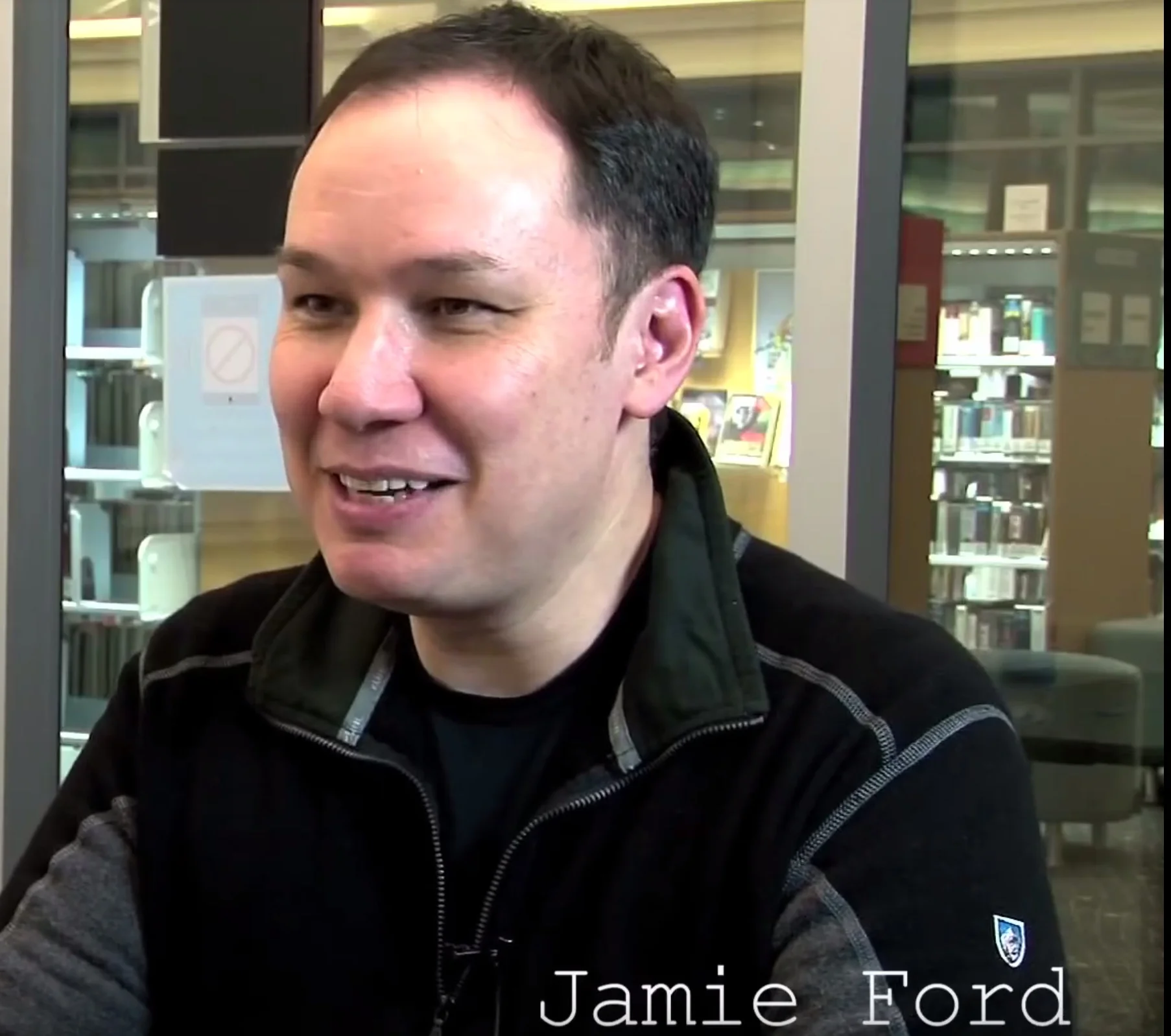
Tom Rob Smith, Jamie Ford, Nicola Griffith, Jussi Adler-Olsen, and Stella Cameron on why stories matter.
Ingrid Ricks, Theo Pauline Nestor, Katie Hafner, and Gregory Martin discuss the challenges of writing memoir.
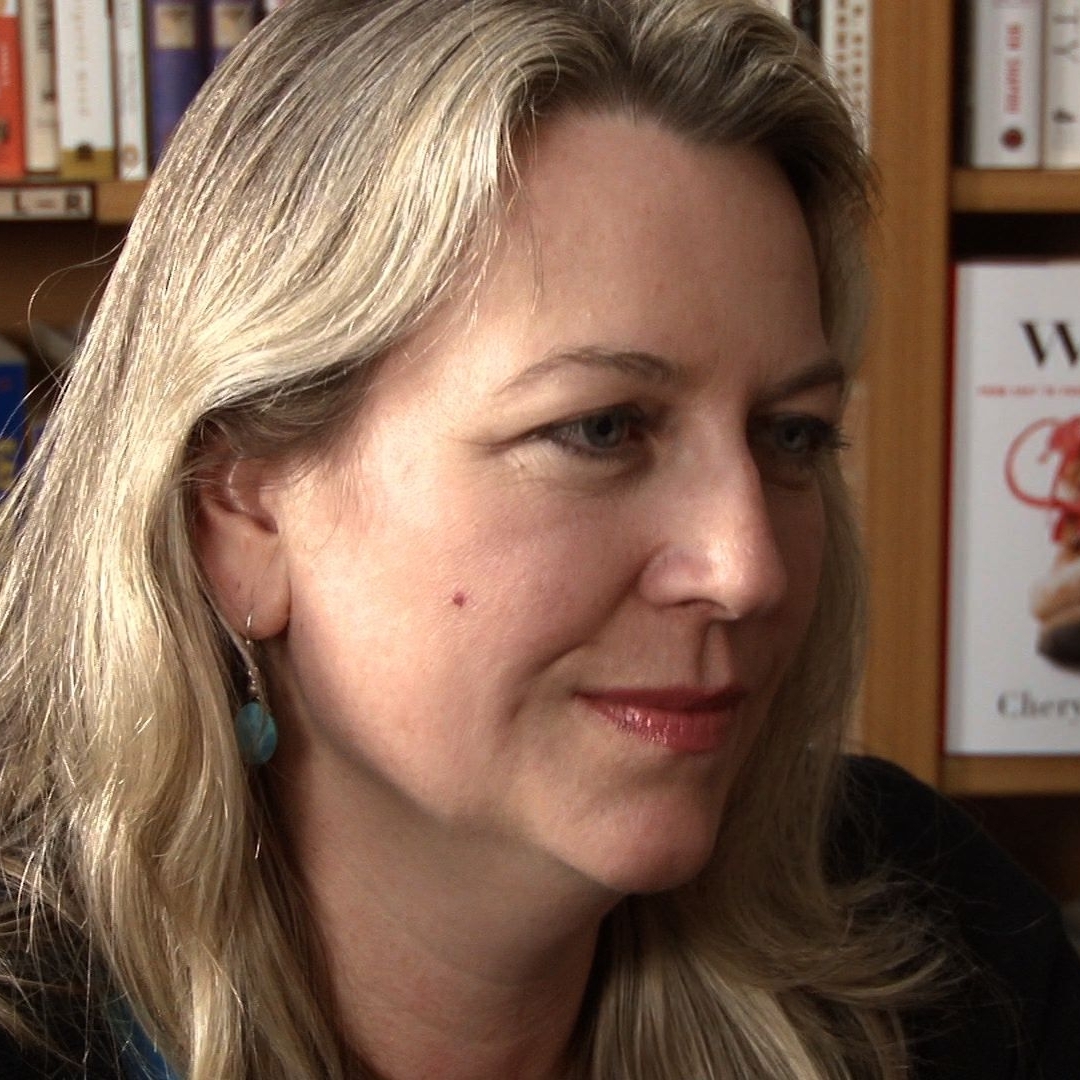
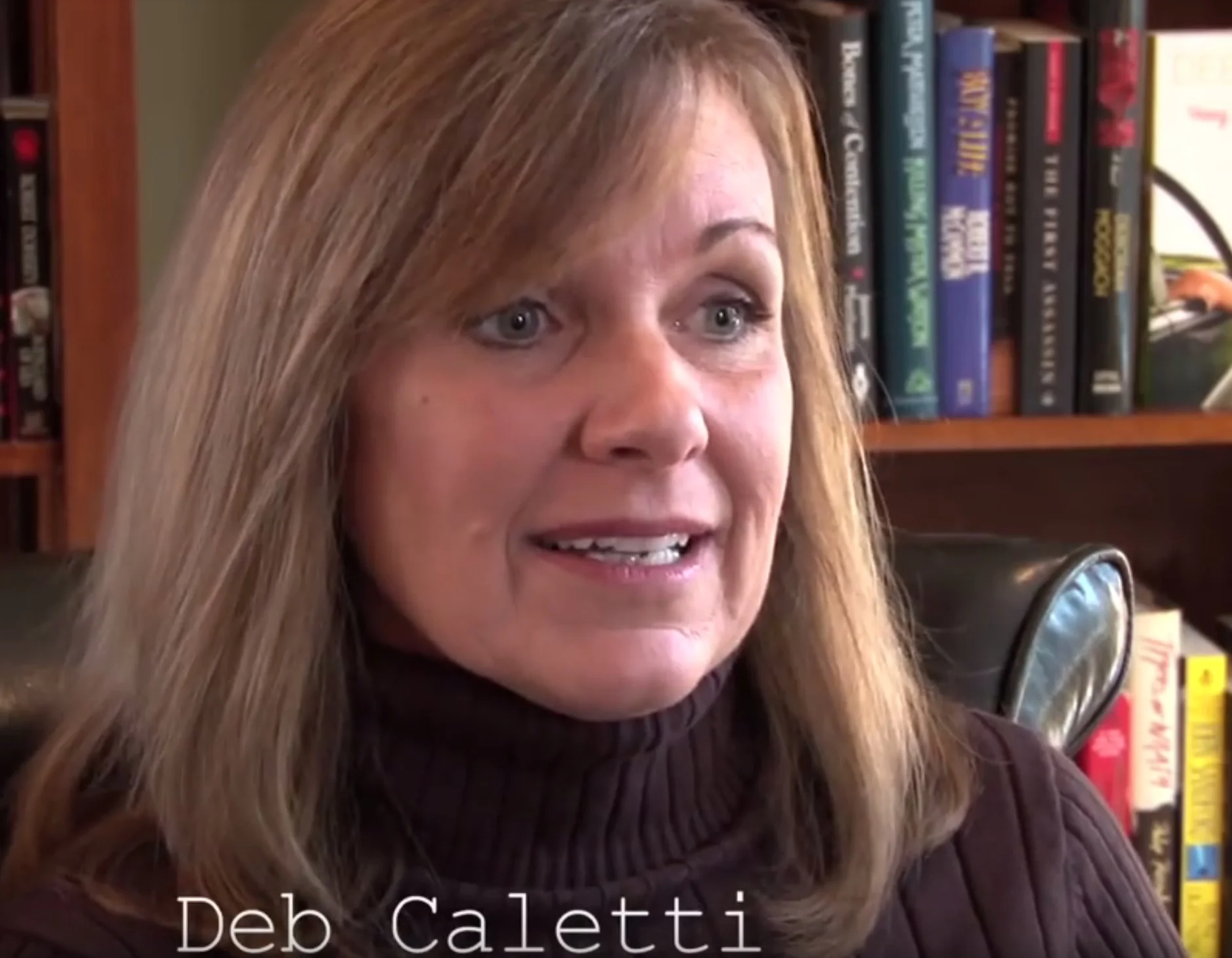
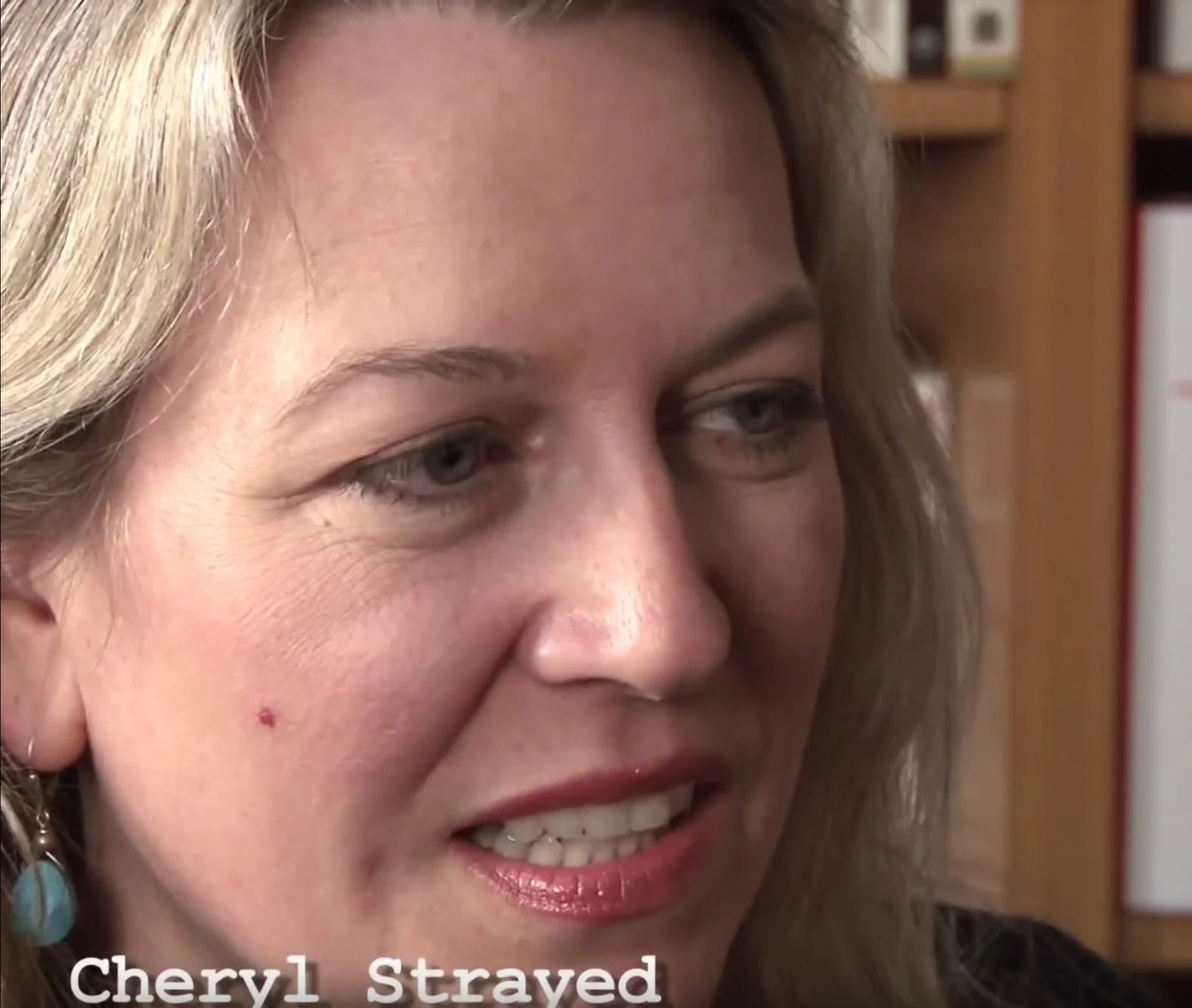
Lessons learned from the writing life, featuring Cheryl Strayed, Elizabeth George, Thirty Umrigar, Deb Caletti, and more . . .
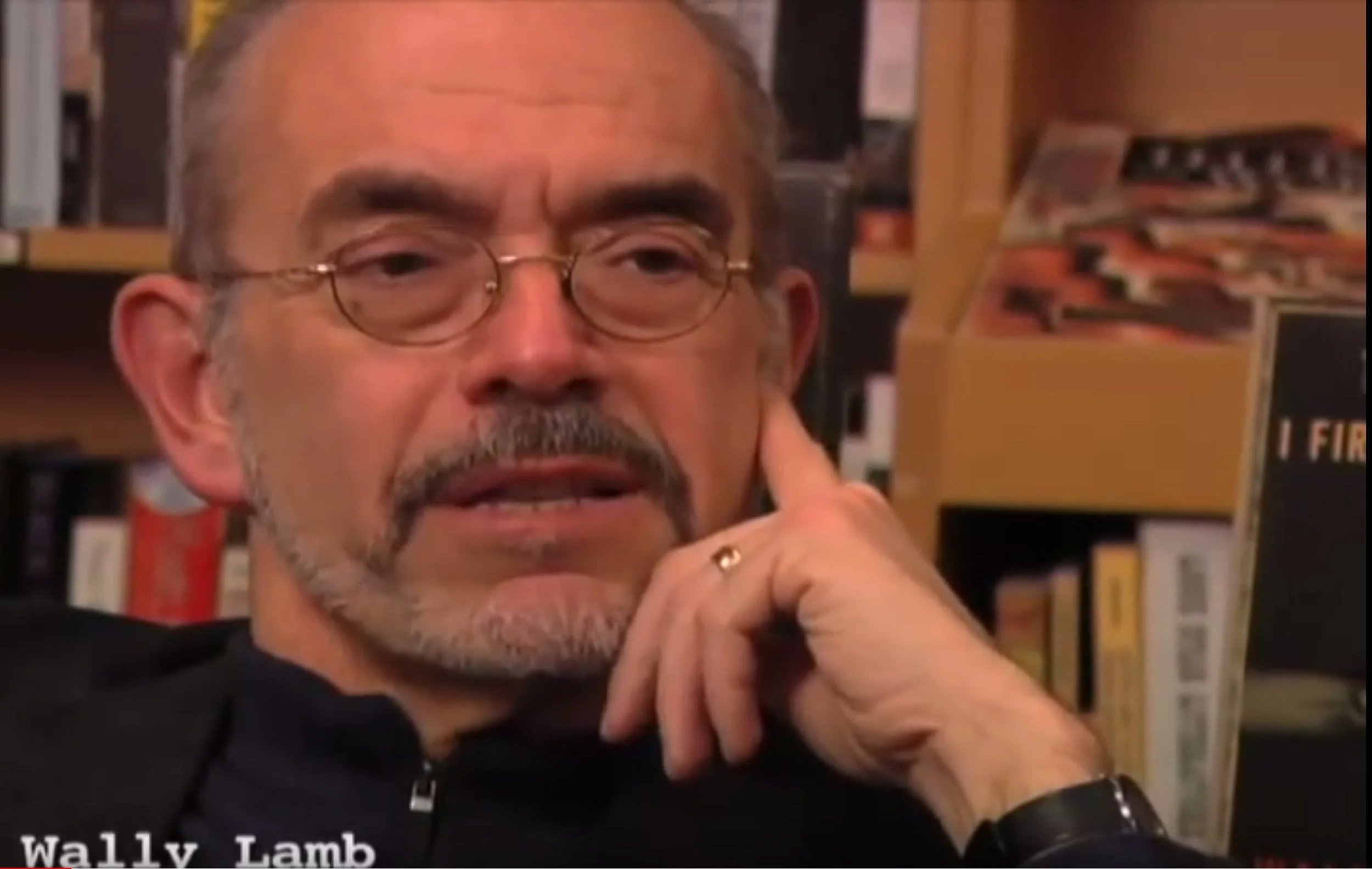
Advice and inspiration from Wally Lamb, Clive Clussler, Lee Child, Stephanie Kallos, and more.
Inspiring advice from Sir Ken Robinson, Yann Martel, Gary Zukav, Andre Dubus III, and more.






I had to break myself of a habit once I became self-employed. If I wanted, I could chuck every supposed responsibility and spend the entire day watching reruns of Seinfeld. I liked Seinfeld, but this doesn’t actually sound like a fun way to spend a day.