
Joining PNWA connects you to a vital community of writers. Our mission is to develop writing talent from pen to publication through education, events, accessibility to the publishing industry and great member benefits
Storytelling teaches us that our life is what we notice about all that we do and occurs around us.
How many times had I convinced myself I knew that something big and bright and life-changing was imminent?
I’m more than a being that sees and hears and tastes. I’m also one who thinks and feels and dreams.
You won’t feel your worth as a person and an artist until you give yourself that trophy.
The blank page is a great teacher. Every day it reminds me what freedom actually looks like and feels like.
Pull your attention from anything and it fades; put your attention on something else and it grows.
Melinda Leigh is the #1 Amazon Charts and #1 Wall Street Journal bestselling author of Echo Road, the She Can series, the Midnight series, the Scarlet Falls series, the Morgan Dane series, the Bree Taggert series, the Olivia Cruz series, and numerous short stories, as well as the Rogue series novellas and the Widow’s Island series novellas
Judy Batalion is a New York Times bestselling author of award-winning nonfiction and fiction. Her essays have appeared in The New York Times, The Washington Post, and Vogue, among others. Judy has a BA in the History of Science from Harvard, a PhD from the University of London, and has worked as a museum curator and university lecturer. She lives in New York City with her husband and three children.
Sarvat Hasin is a novelist and dramaturg from Pakistan. She has a masters in creative writing from the University of Oxford. Her first novel, This Wide Night, was published by Penguin Random House India and longlisted for the DSC Prize for South Asian Literature. Her second book, You Can’t Go Home Again, was published in 2018 and featured in Vogue India's and The Hindu's best of the year lists. Her third novel, The Giant Dark, was a runaway critical success, won the Mo Siewcharran Prize, and was shortlisted for the Royal Society of Literature Encore Award. Strange Girls is her US debut. She lives in London.
Jennifer Murphy holds an MFA in painting from the University of Denver and an MFA in creative writing from the University of Washington. She is the recipient of the 2013 Loren D. Milliman Scholarship for creative writing and was a contributor at the Bread Loaf Writers’ Conference from 2008 through 2012. In 2015, her acclaimed debut novel, I Love You More (Doubleday, 2014), won the prestigious Nancy Pearl Fiction Award. Her love of art led her to start Citi Arts, a public art and urban planning company that has created public art master plans for airports, transit facilities, streetscapes, and cities nationwide. She hails from a small beachfront town in Michigan and has lived in Denver, Charlotte, Seattle, and Charleston.
Travis Baldree is a full-time audiobook narrator who has lent his voice to hundreds of stories. Before that, he spent decades designing and building video games like Torchlight, Rebel Galaxy, and Fate. Apparently, he now also writes #1 New York Times bestselling books. He lives in the Pacific Northwest.
Tara Moss is an internationally bestselling author, human rights activist, documentary and podcast host, and model. Her crime novels have been published in nineteen countries and thirteen languages, and her memoir, The Fictional Woman, was a #1 international bestseller.
Stephen Greenblatt is Cogan University Professor of the Humanities at Harvard University. He has written extensively on English Renaissance literature and acts as general editor of The Norton Anthology of English Literature and The Norton Shakespeare. He is the author of fifteen books, including The Swerve, winner of the Pulitzer Prize and National Book Award, and Will in the World, a Pulitzer Prize finalist. Dark Renaissance is his latest.
Sue William Silverman is an award-winning author known for her fearless explorations of trauma, identity, and personal transformation. Her latest book, “Selected Misdemeanors: Essays at the Mercy of the Reader,” showcases her signature blend of lyricism, insight, and unflinching honesty.
Bernice L. McFadden is an Assistant Professor of Creative Writing at Tulane University and the author of several critically acclaimed novels, including Sugar, The Warmest December, Loving Donovan, Nowhere Is a Place, Glorious, Gathering of Waters (a New York Times Editors' Choice and one of the 100 Notable Books of 2012), The Book of Harlan (winner of a 2017 American Book Award and the NAACP Image Award for Outstanding Literary Work, Fiction), and Praise Song for the Butterflies (long-listed for the 2019 Women’s Prize for Fiction).
Kate Russo, author of Until Alison and Super Host, grew up in Maine but now divides her time between Maine and the UK. She has an MFA in painting from the Slade School of Fine Art, and while living in London, she worked with the theatre group, Love Bites, who presented two of her short plays (“The Blind” and “Bernie's Night Off”) at the Calder Bookshop Theatre. She exhibits widely in the United States and England. Learn more at KateRusso.com and connect on Instagram @RussoKate.
Few of us make it through a creative writing education without being told to “kill your darlings”—to excise even the cleverest turn of phrase or most exquisitely crafted sentence if it doesn’t serve the overall piece. In my career as a writer, I’ve grown accustomed to making such cuts. Sometimes it even feels gratifying: It lets me believe that I am honing my work toward some perfectly sculpted, final version. I wouldn’t choose “killing” to describe the experience—but maybe I’m not the one to ask. I’m not the one being cut. For that, I would have to ask my mom.
I recently had a request to review a book. This book was already published in eBook form. I was not paid to write this review, and I received no other compensation, which was fine. This was a new, young writer, and I wanted to encourage him. Keep in mind, I have written a lot of book reviews. I am normally asked to write what the book is about, not necessarily give my opinions on the content. That is what I did with this particular book.
You may have heard of “cycle syncing,” which involves making lifestyle adjustments based on where a woman is in her menstrual cycle. But recently I’ve embraced what I think of as “season syncing,” or being aware of a season’s benefits and working with them (instead of resisting elements) in order to thrive creatively.
I went for a walk-and-talk the other day around Seattle’s Green Lake with an author friend whose debut memoir comes out this fall. After the rain teased on and off that morning, the clouds opened, and a bit of sun broke through. The air felt mild and fresh, a brief respite mirroring how I hoped to feel inside, during and after our chat.
"All of us possess a reading vocabulary as big as a lake but draw from a writing vocabulary as small as a pond."
Roy Peter Clark wrote that in Writing Tools, and it names something most writers feel but rarely examine. The words are there; accumulated through years of reading, conversation, and education. They simply don't come to hand when a sentence needs them. And so, we reach for what's close rather than what's right, and the sentence works, but it doesn't sing.
Years ago, I took a class on “Authentic Happiness” taught by a NC State professor who offered these continuing education classes at UNC’s Friday Center. Often, I signed up for classes related to writing. Although this one wasn’t, I reflect on it when I sit down to compose a fictional story, personal essay, or even an article.
I know it’s been a while. Sometimes it feels like I’m circling inside an endless loop of rejection, as if the same door keeps swinging shut no matter how many times I gather the courage to knock. Each “no” folds into the next, tightening around me until hope feels fragile, almost foolish. I tell myself not to care so much, not to expect anything. And yet, the moment I hit submit, something inside me rises. It always does. And then it falls.
Health is a subject that connects all of us. Writers use such scenes to create drama, build emotional investment in a story, and to develop tension. Neurosurgery, head injuries, and chronic diseases, among others, affect a character's personality and create an opportunity for change. However, it's important to get the details right because readers notice mistakes and unchecked errors perpetuate false information, skewing facts.
The relentless click-click-click of a metronome may be helpful for practicing finger exercises, but it’s deathly dull for an audience. Classical composers use Italian terms to signal changes in the desired pace of their music, such as lento (slow), allegro (lively), and presto (very fast). My favorite of these is rubato, literally “robbed” time, meaning the performer is free to “rob” a moment from one note and give it to the next.
We often speak of a writer’s voice, that distinct and resonant quality that separates one narrative from another on a crowded shelf. We talk of plot, of structure, of the muscularity of good prose. These are the tools of our trade, the timber and nails of the houses we build for our stories.
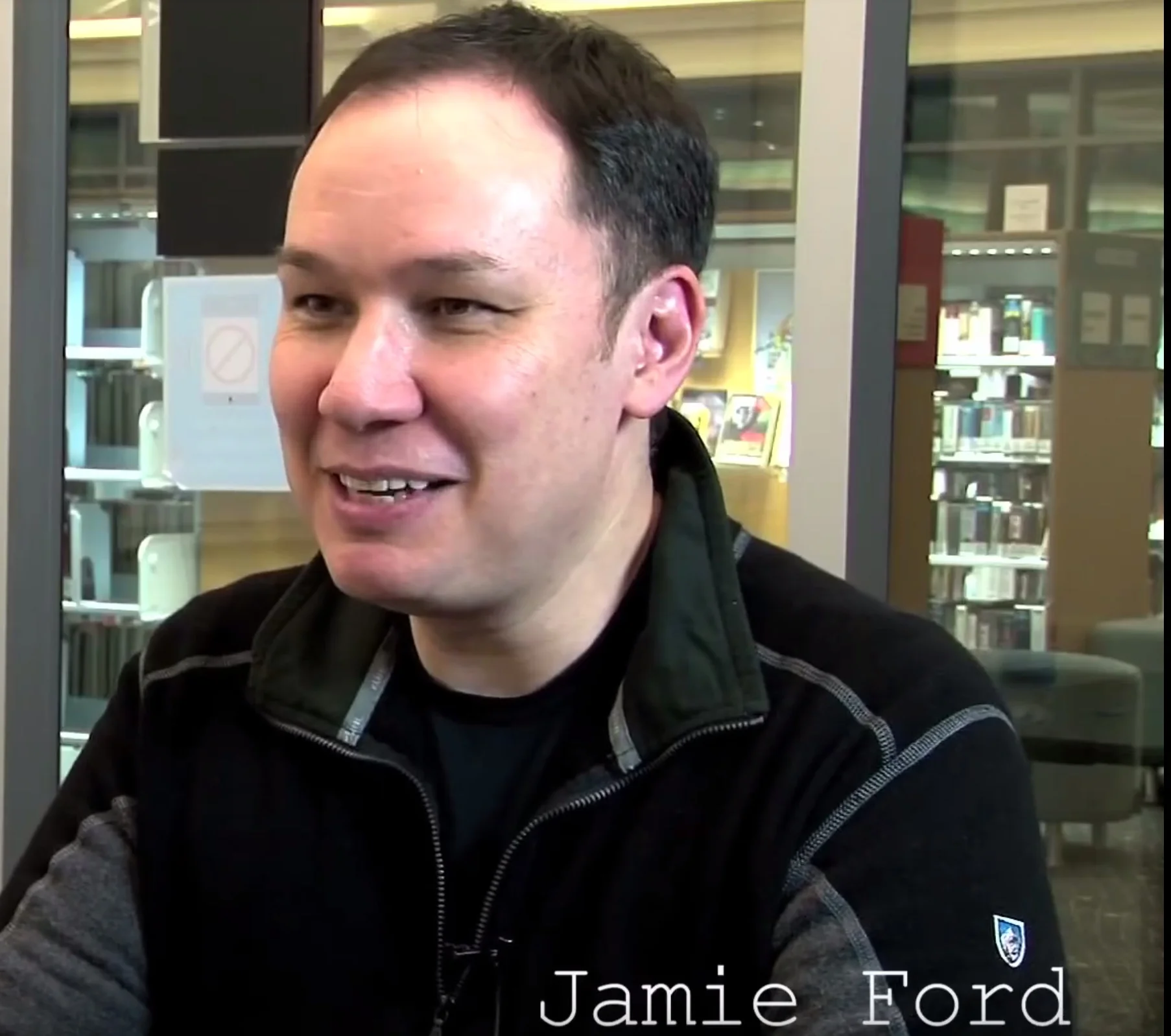
Tom Rob Smith, Jamie Ford, Nicola Griffith, Jussi Adler-Olsen, and Stella Cameron on why stories matter.
Ingrid Ricks, Theo Pauline Nestor, Katie Hafner, and Gregory Martin discuss the challenges of writing memoir.
Lessons learned from the writing life, featuring Cheryl Strayed, Elizabeth George, Thirty Umrigar, Deb Caletti, and more . . .
Advice and inspiration from Wally Lamb, Clive Clussler, Lee Child, Stephanie Kallos, and more.
Inspiring advice from Sir Ken Robinson, Yann Martel, Gary Zukav, Andre Dubus III, and more.









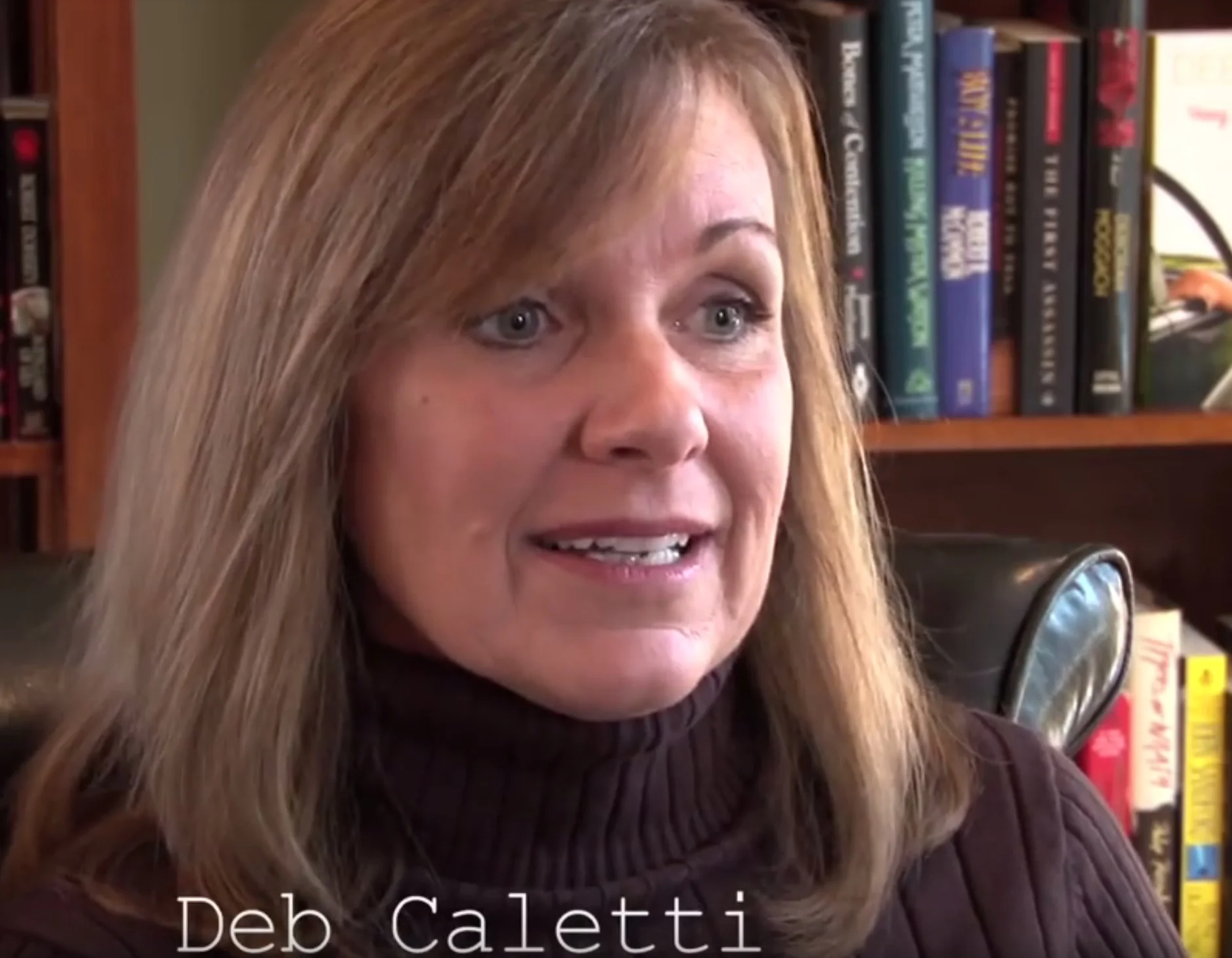
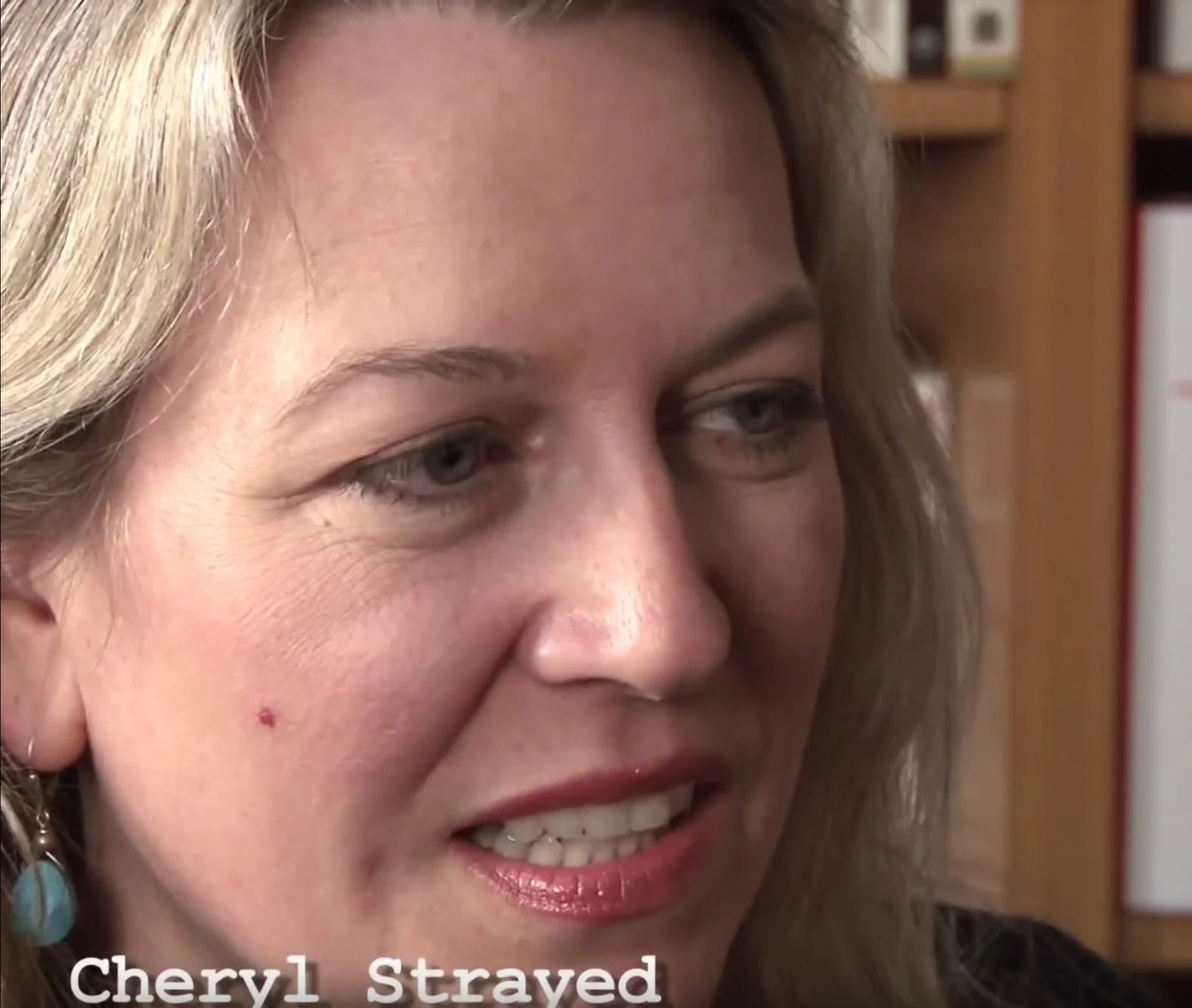
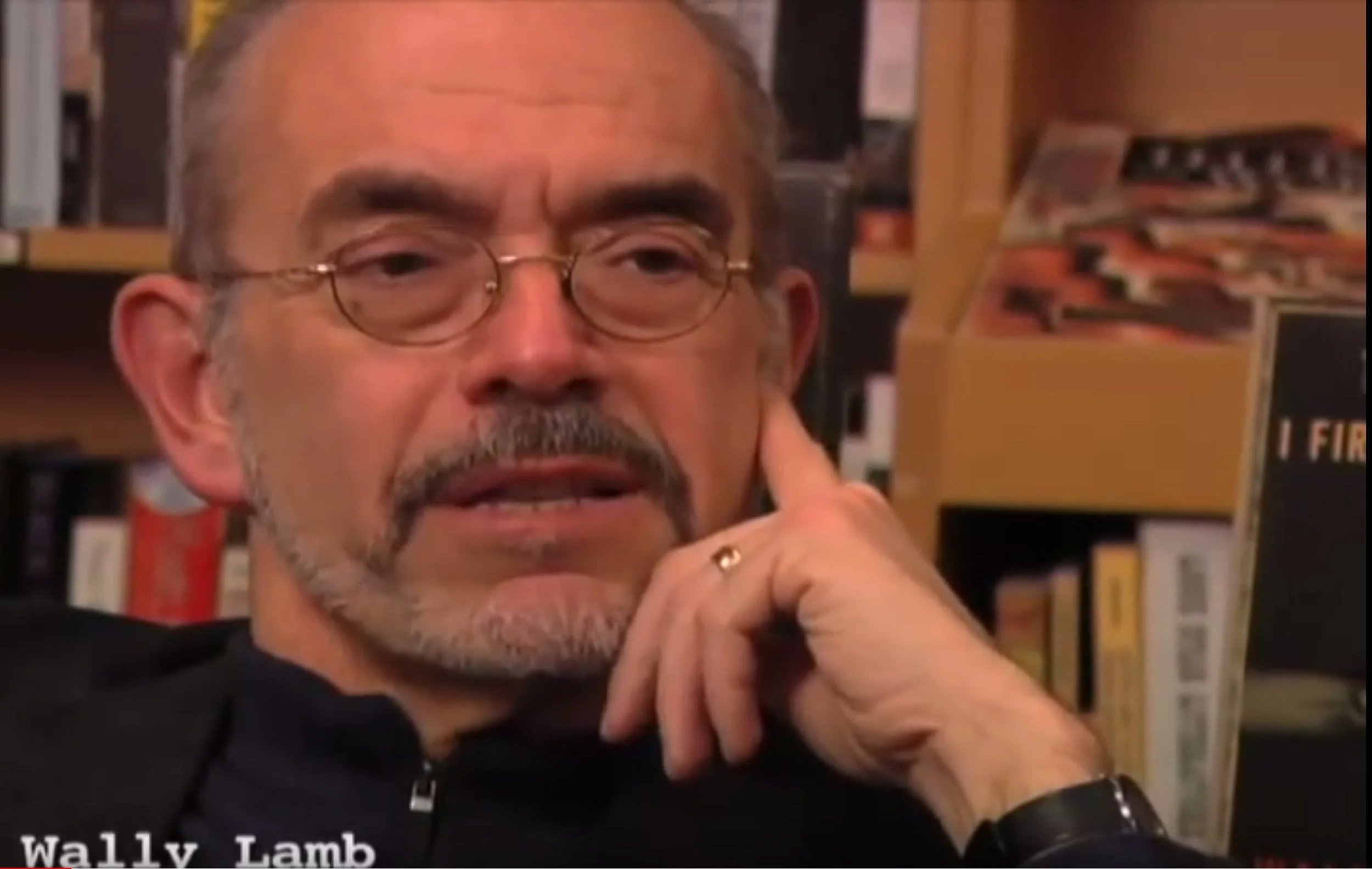
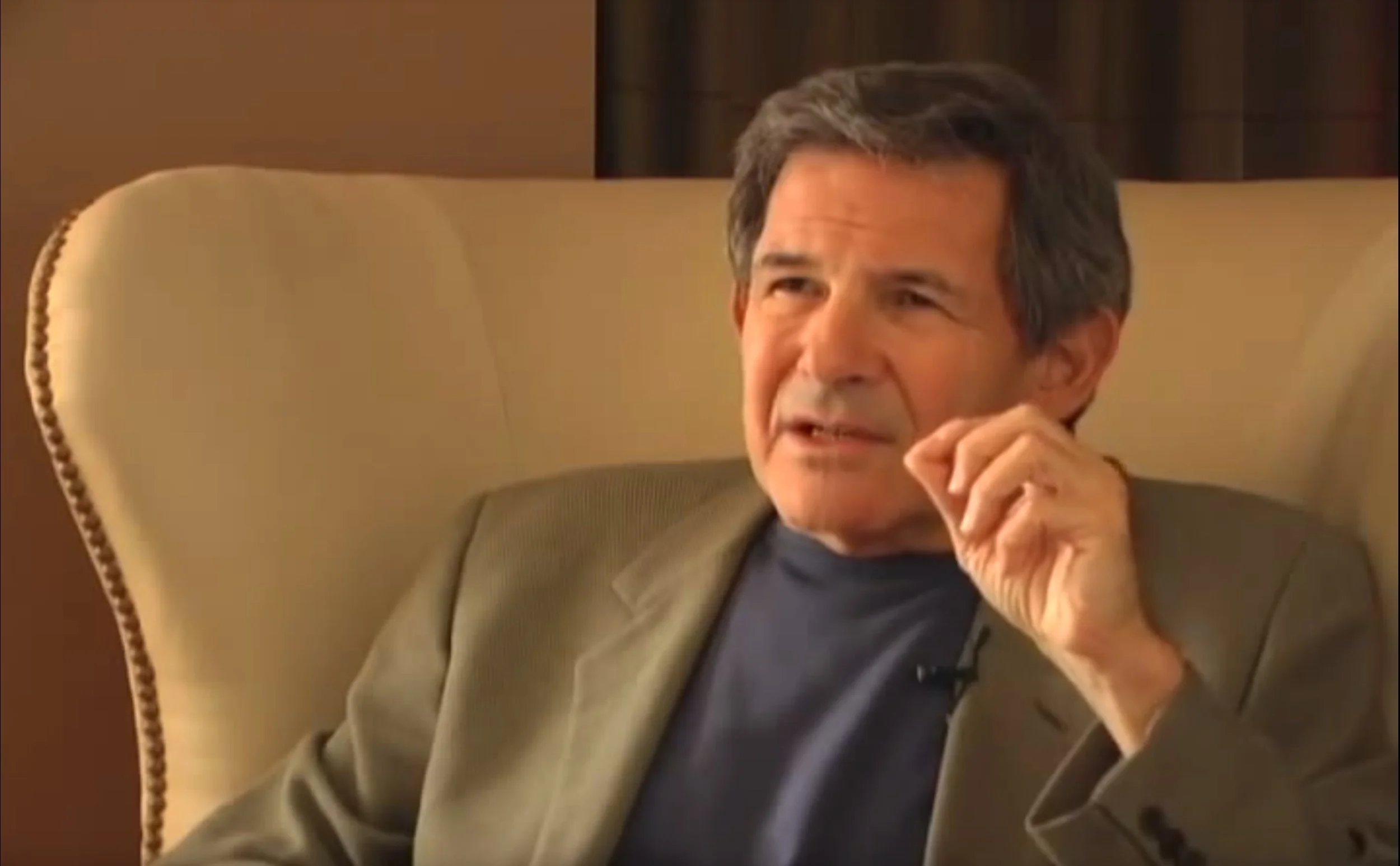
You have the right to make mistakes, to misunderstand, to mischaracterize.