
Joining PNWA connects you to a vital community of writers. Our mission is to develop writing talent from pen to publication through education, events, accessibility to the publishing industry and great member benefits
Sooner or later, you must learn that to look for their elusive validation is to follow a phantom into greater and greater darkness where nothing and no one is good enough
I’ve heard it said we make memories by the things we do, but it’s really the stories we tell that hold a moment in our minds like a photograph.
I don’t want to sell a memoir; I want to sell a feeling for which a memoir is the best vehicle.
When exactly do you get to say you’re doing what you’re doing because you love doing it? When you retire? On the weekend? I would say, right now.
Love is a movement toward something, which is why it’s the very best frame of mind from which to make any choice.
Sgt. Rasul T. Freelain (Ret.) served twenty years with the Oak Park Police Department in Illinois. He is certified by CIT (Crisis Intervention Team) International as a coordinator and teaches for the Illinois CIT Training Unit. Currently he is working to bring increased awareness to the problem of child-to-parent violence and abuse (CPVA).
Sarah Braunstein has been the recipient of a “5 Under 35” award from the National Book Foundation and a Rona Jaffe Foundation Writers’ Award. For several years she served on the National Selection Panel of the National YoungArts Foundation. She holds an MFA from the Iowa Writers’ Workshop and an MSW from Smith College School for Social Work. She is associate professor of English and creative writing at Colby College.
Her most recent book is the short story collection, Baby in a Box.
Susan Wiggs is the author of more than fifty novels, including the beloved Lakeshore Chronicles series and the recent New York Times bestsellers The Lost and Found Bookshop, The Oysterville Sewing Circle, and Family Tree. Her books celebrate the power of love, the timeless bonds of family and the fascinating nuances of human nature.
Manil Suri is the internationally acclaimed author of The Death of Vishnu and other books. His work has been translated into twenty-seven languages and received several honors, including winning the Barnes & Noble Discover Prize, and being longlisted for the Booker Prize. He is a distinguished professor of mathematics at the University of Maryland, Baltimore County, and lives with his husband in Silver Spring, Maryland.
Melinda Leigh is the #1 Amazon Charts and #1 Wall Street Journal bestselling author of Echo Road, the She Can series, the Midnight series, the Scarlet Falls series, the Morgan Dane series, the Bree Taggert series, the Olivia Cruz series, and numerous short stories, as well as the Rogue series novellas and the Widow’s Island series novellas
Judy Batalion is a New York Times bestselling author of award-winning nonfiction and fiction. Her essays have appeared in The New York Times, The Washington Post, and Vogue, among others. Judy has a BA in the History of Science from Harvard, a PhD from the University of London, and has worked as a museum curator and university lecturer. She lives in New York City with her husband and three children.
Sarvat Hasin is a novelist and dramaturg from Pakistan. She has a masters in creative writing from the University of Oxford. Her first novel, This Wide Night, was published by Penguin Random House India and longlisted for the DSC Prize for South Asian Literature. Her second book, You Can’t Go Home Again, was published in 2018 and featured in Vogue India's and The Hindu's best of the year lists. Her third novel, The Giant Dark, was a runaway critical success, won the Mo Siewcharran Prize, and was shortlisted for the Royal Society of Literature Encore Award. Strange Girls is her US debut. She lives in London.
Jennifer Murphy holds an MFA in painting from the University of Denver and an MFA in creative writing from the University of Washington. She is the recipient of the 2013 Loren D. Milliman Scholarship for creative writing and was a contributor at the Bread Loaf Writers’ Conference from 2008 through 2012. In 2015, her acclaimed debut novel, I Love You More (Doubleday, 2014), won the prestigious Nancy Pearl Fiction Award. Her love of art led her to start Citi Arts, a public art and urban planning company that has created public art master plans for airports, transit facilities, streetscapes, and cities nationwide. She hails from a small beachfront town in Michigan and has lived in Denver, Charlotte, Seattle, and Charleston.
Travis Baldree is a full-time audiobook narrator who has lent his voice to hundreds of stories. Before that, he spent decades designing and building video games like Torchlight, Rebel Galaxy, and Fate. Apparently, he now also writes #1 New York Times bestselling books. He lives in the Pacific Northwest.
Tara Moss is an internationally bestselling author, human rights activist, documentary and podcast host, and model. Her crime novels have been published in nineteen countries and thirteen languages, and her memoir, The Fictional Woman, was a #1 international bestseller.
Wondering how to best prepare for an interview? How to respond to a host’s questions? Here are my thoughts on being a great guest. There is a difference between describing your writing and editing process, delving into your characters, discussing the structure, themes, or arc of your book….and marketing.
Everyone knows writing is a solitary pursuit, right? Well, yes and no. While the actual heads-down churning out of words must be done alone, being a writer does indeed take a village. Many aspiring writers (and some experienced ones) try to bypass this truism and wind up feeling frustrated, lost, or discouraged. Without feedback, how do you know if your idea is a good one or whether you’ve captured exactly what you meant to say? If you intend to write for others, you can’t operate in a vacuum. Trying to do so misses the point and will leave your work feeling flat and lifeless.
As host for a New Books Network channel, I receive an ongoing stream of pitches from authors, publishers, and publicists. I try to respond to all of them and sometimes agree to an interview, but my favorite way of finding new authors is from recommendations by those I’ve already interviewed.
Very few of the 275 authors I’ve spoken to for an NBN podcast have paid it forward by recommending another author. I still remember the names of the ones who have, and I have made sure to read more of their books. I’m thinking of asking anyone who pitches me to first suggest a new, well-written novel they loved (preferably by an author who deserves more attention). And if you can’t come up with a name before our interview, I’ll ask again after our podcast goes live but before I begin promoting it.
Fantasy author and folklorist Terri Windling once observed that we keep returning to these old stories because they're not really about fantasy at all; they're about real life. We've all encountered metaphorical wolves at our door, all faced impossible trials.
Folktales solved a problem writers still struggle with: how do you show someone wrestling with their conscience? They externalized internal conflict. The demons we battle aren't metaphorical; they're actual demons. And the test of character is a literal trial with life-or-death stakes.
A third-year political science student sits across from me; her brows furrowed in apprehension. She has a B+ average and a full draft that doesn’t address the essay task. The student was assigned a reading response on two articles about election reform but has written an argument about how elections should be reformed. When I gently point out that she needs to focus her writing on the articles, the student deflates, sighing deeply. She sees instantly that her essay has gone off track.
As host for New Books in Literature, a podcast channel on the New Books Network, I’ve interviewed over 275 authors and have over 20 interviews scheduled for this year. Every month, dozens of pitches from publishers, publicists, and authors show up in my inbox.
I had poured something tender into that piece. It wasn’t just fiction—it was stitched with memory. My childhood home. My mother’s silence. The way grief lingers in kitchens long after the coffee cools. When the rejection came, it felt personal. I told myself it wasn’t good enough because maybe I wasn’t good enough.
I used to believe myself incapable of writing poetry. I didn’t think the themes I was interested in exploring were worthy of being made into poems, let alone ones someone would want to read.
Few of us make it through a creative writing education without being told to “kill your darlings”—to excise even the cleverest turn of phrase or most exquisitely crafted sentence if it doesn’t serve the overall piece. In my career as a writer, I’ve grown accustomed to making such cuts. Sometimes it even feels gratifying: It lets me believe that I am honing my work toward some perfectly sculpted, final version. I wouldn’t choose “killing” to describe the experience—but maybe I’m not the one to ask. I’m not the one being cut. For that, I would have to ask my mom.
I recently had a request to review a book. This book was already published in eBook form. I was not paid to write this review, and I received no other compensation, which was fine. This was a new, young writer, and I wanted to encourage him. Keep in mind, I have written a lot of book reviews. I am normally asked to write what the book is about, not necessarily give my opinions on the content. That is what I did with this particular book.
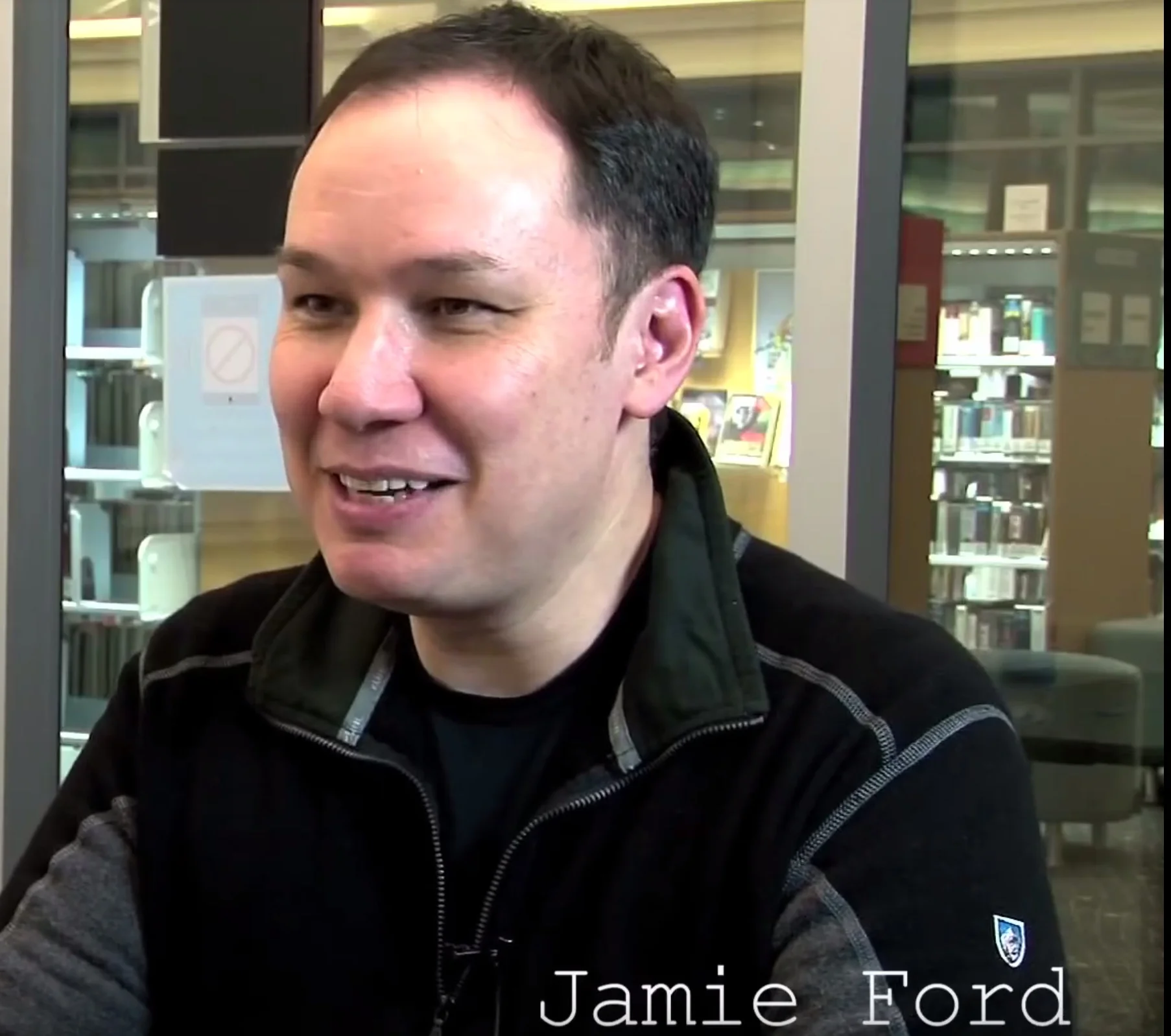
Tom Rob Smith, Jamie Ford, Nicola Griffith, Jussi Adler-Olsen, and Stella Cameron on why stories matter.
Ingrid Ricks, Theo Pauline Nestor, Katie Hafner, and Gregory Martin discuss the challenges of writing memoir.
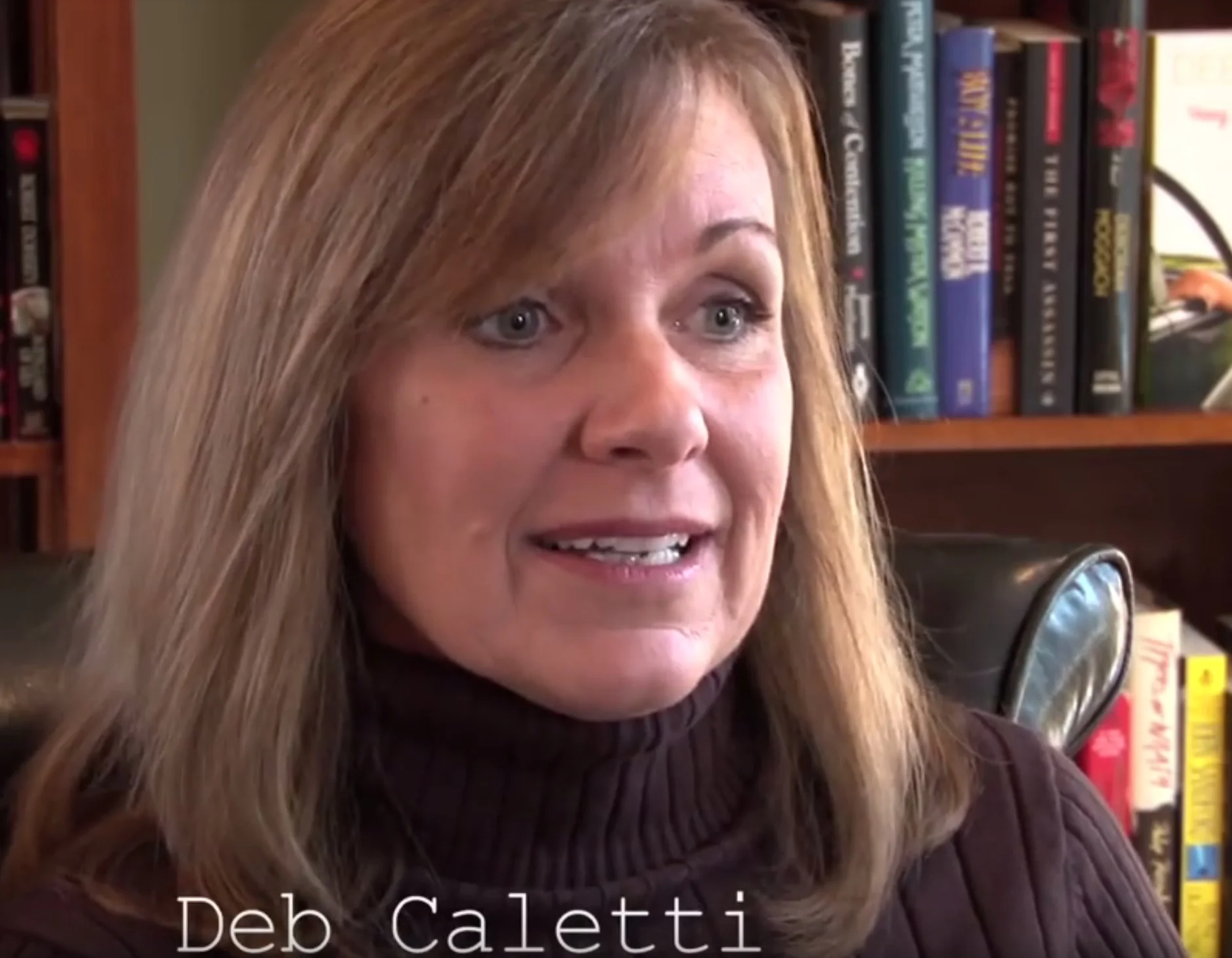
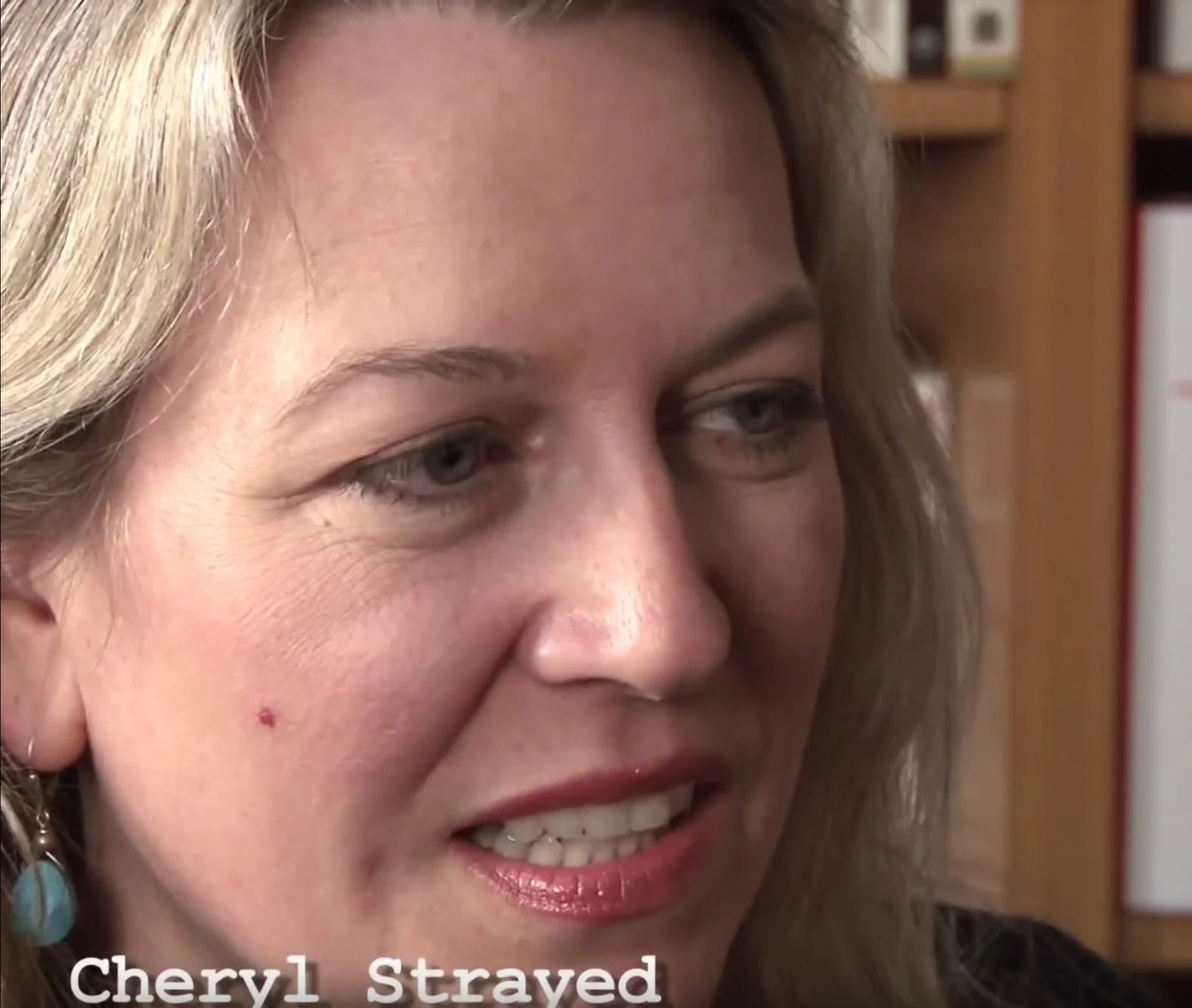
Lessons learned from the writing life, featuring Cheryl Strayed, Elizabeth George, Thirty Umrigar, Deb Caletti, and more . . .
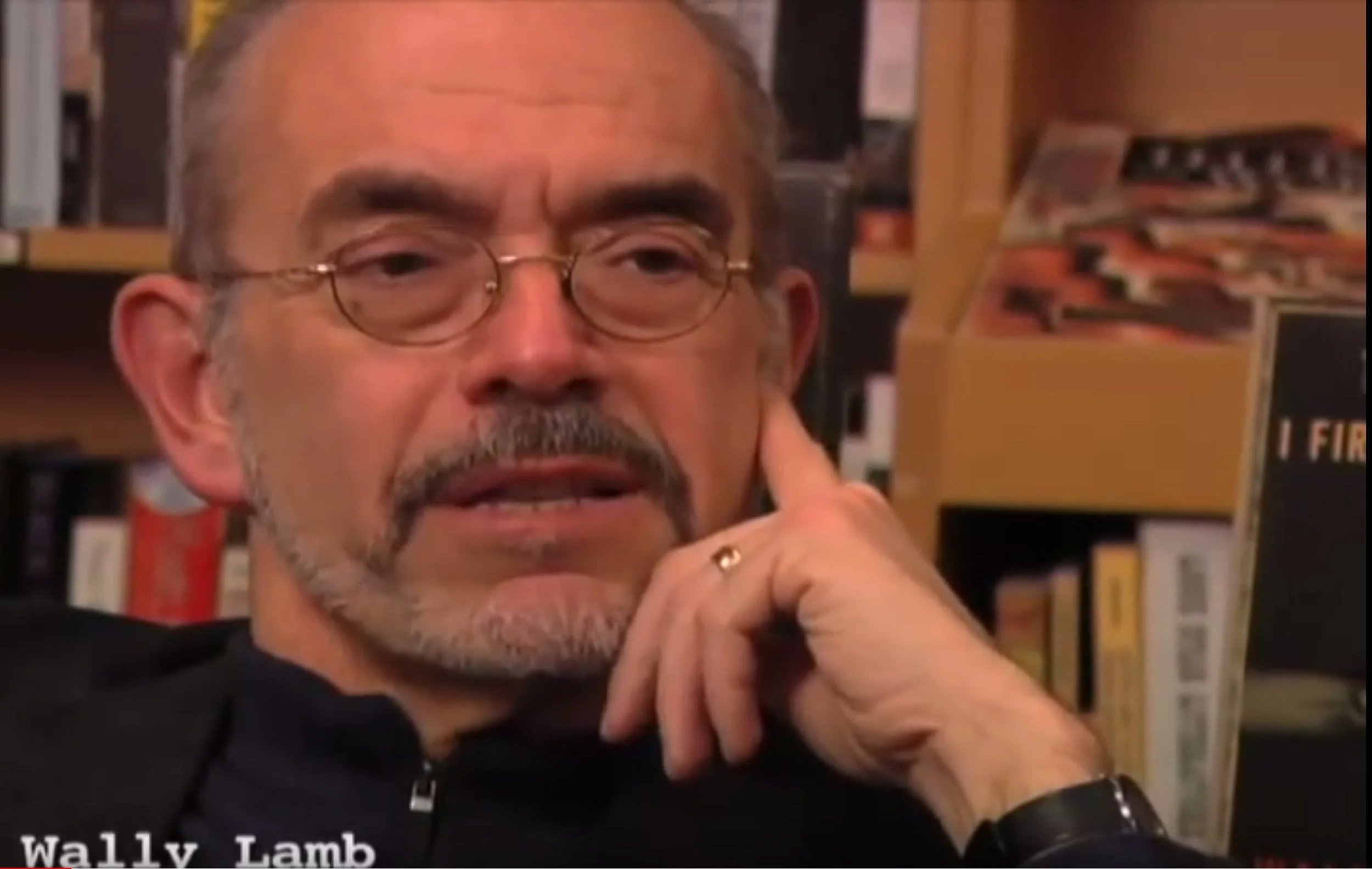
Advice and inspiration from Wally Lamb, Clive Clussler, Lee Child, Stephanie Kallos, and more.
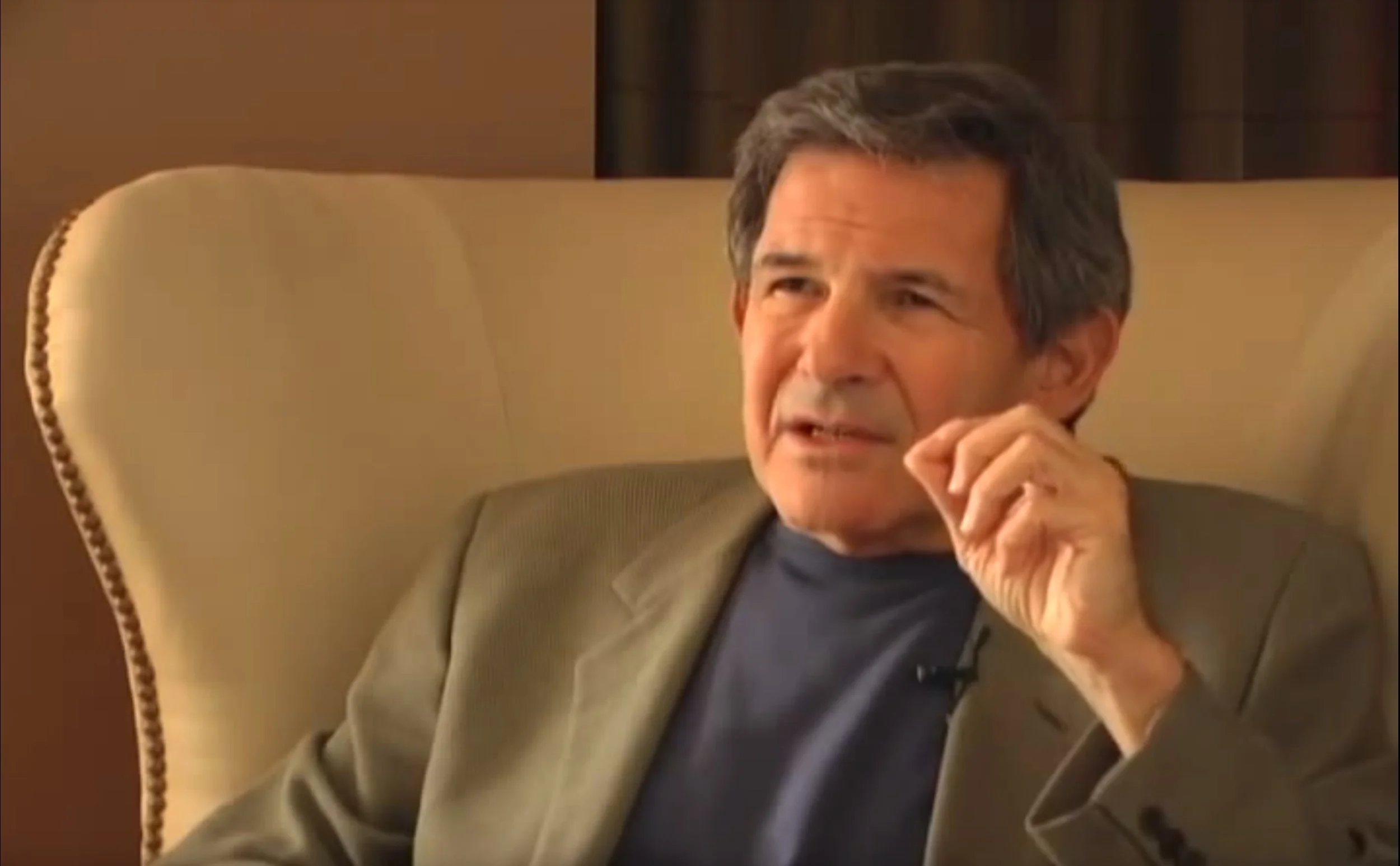
Inspiring advice from Sir Ken Robinson, Yann Martel, Gary Zukav, Andre Dubus III, and more.
















Happiness and despair, excitement and boredom, curiosity and disinterest live equally and unendingly in everyone as the sun lights every day.